NALSA Racing Rules
The North American Landsailing Association (NALSA) racing rules promote safe and fair landyacht racing.
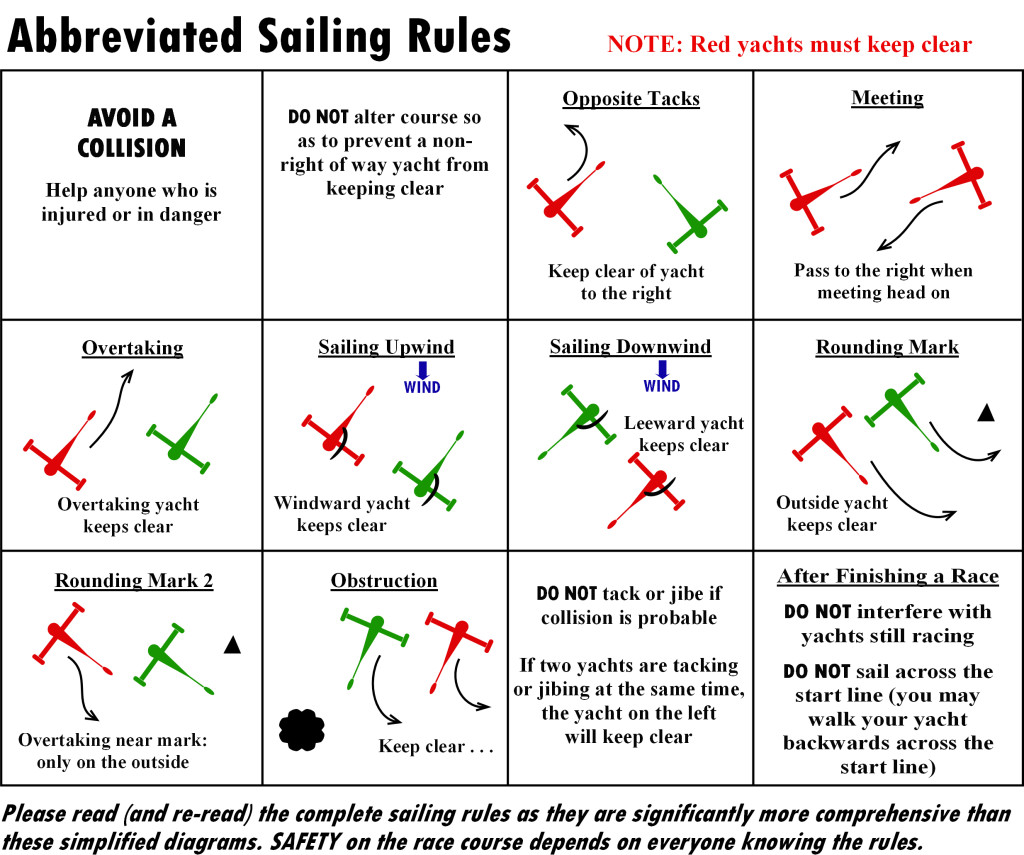
Quick reference guide for on-playa racing situations
Fundamental Purpose
The fundamental purpose of the NALSA SAILING AND RACING RULES is to promote safe landyacht racing. Avoidance of collision takes precedence at all times, regardless of right-of-way.
The 8 Core Racing Rules
A pilot is responsible for the safe operation of his yacht. Avoidance of a collision shall take precedence at all times regardless of right-of-way. A yacht should signal for right-of-way in cases of possible collision.
Pilots shall attempt to win a race only by fair sailing, skill and superior speed.
A right-of-way yacht shall not alter course so as to prevent a non right-of-way yacht from keeping clear.
A yacht may not employ any means of propulsion other than the action of the wind on the sails. The pilot may push the yacht to leave the starting line or to return the yacht to wind propulsion when necessary (see class rules about pushing).
Pilots shall wear helmets and seat belts when racing.
Basic right-of-way rules for different sailing situations:
When on opposite tacks, a yacht on the left shall keep clear of a yacht on the right.
Yachts meeting head-on are required to bear right.
Yachts on the same tack and sailing upwind, the windward yacht shall keep clear.
Yachts on the same tack and sailing downwind, the leeward yacht shall keep clear.
A right-of-way yacht shall not carry a non right-of-way yacht away from the proper course to the next mark.
When this rule applies, it overrides Rule 6:
OVERTAKING
ENGAGEMENT: The overtaking maneuver is engaged as less than 6 feet separates the extremities of the overtaken yacht from any extremity of the overtaking yacht. DISENGAGEMENT: The overtaking maneuver is accomplished as soon as more than six feet separates the extremities of the overtaking yacht from the extremities of the overtaken yacht. RESPONSIBILITY FOR THE MANEUVER: The pilot of the overtaking yacht is responsible for the maneuver. THE OVERTAKEN YACHT must, if sailing in a straight line, maintain its course or move aside, and if turning, proceed with a normal maneuver. Nevertheless, the pilot of the overtaken yacht may, when meeting an obstacle, carry out a turn, in order to avoid it. THE OVERTAKER must avoid the course of the overtaken. It is an infringement of the rules to compel the overtaken yacht to change its course or slacken speed in order to avoid a collision.
A yacht tacking or jibing shall keep clear of a yacht on a tack. When two yachts are tacking or jibing at the same time, the yacht on the left shall keep clear.
A windward yacht must be given room to bear off if in danger of capsizing, but must immediately return to her original heading.
A yacht moving shall keep clear of a yacht that is stopped.
A yacht restarting shall keep clear of a yacht that is moving under sail power.
A yacht not racing or a yacht which has finished a race shall keep clear of the course and all yachts still racing.
A yacht on the outside shall not deprive an overlapping yacht on the inside of room to pass marks and obstructions. Any overtaking done near a mark must be done on the outside.
A yacht approaching and unable to clear an obstruction without fouling or endangering another yacht may signal the other yacht for room to clear. The signaled yacht shall at once give room and if it is necessary for her to tack or jibe, the signaling yacht shall also tack or jibe immediately after.
A yacht that hits any part of a mark will be assessed three penalty points. Under NO circumstances should a pilot attempt to replace a mark that has been hit during a race (this should be done under the oversight of the race manager between races).
For complete details, additional sub-rules, definitions, and race procedures, please refer to the full NALSA Racing Rules document and Bob Dill's helpful commentary.
See also: